
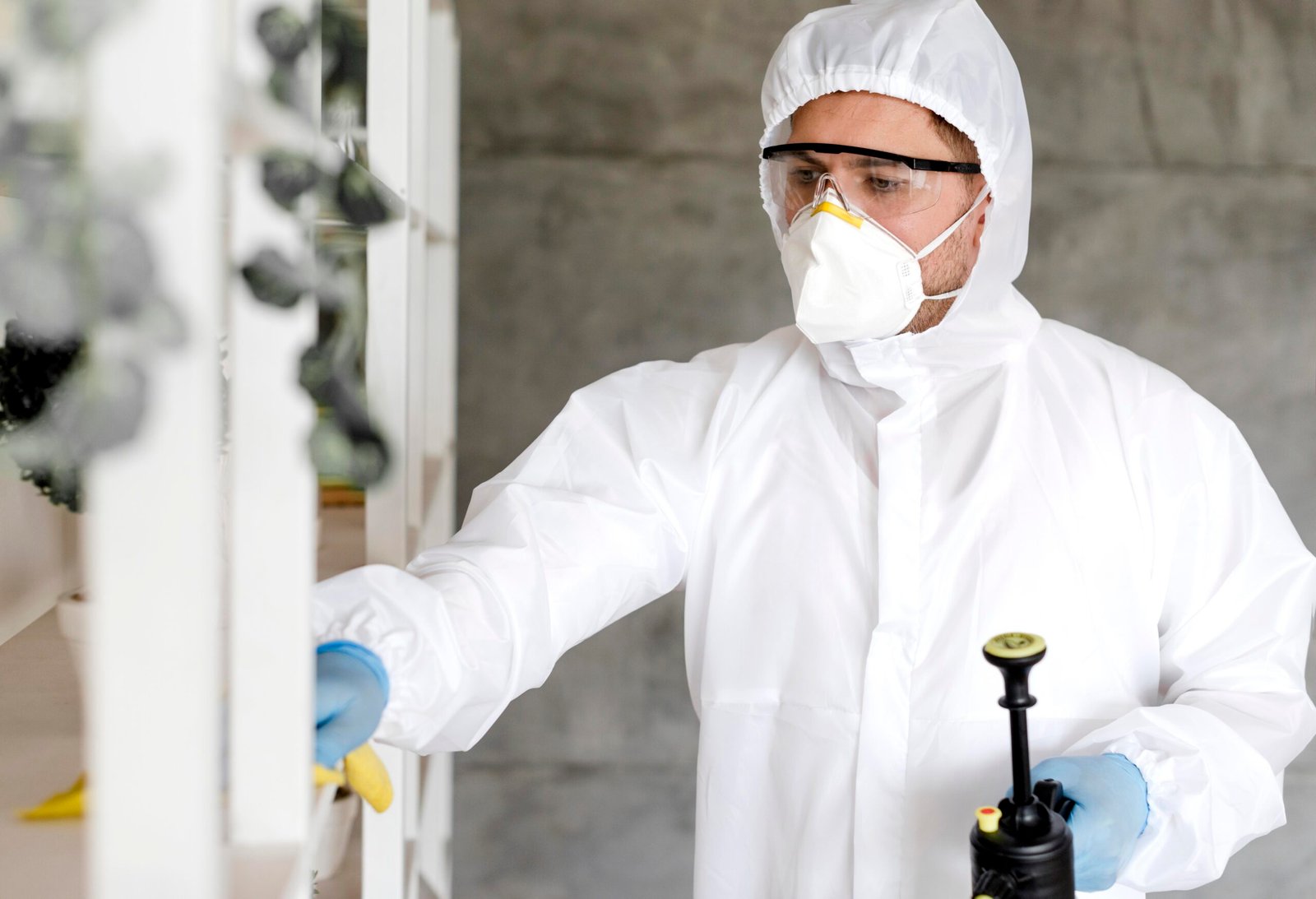
Mistakes when using industrial cleaning disinfectant
Mistakes when using disinfectant for cleaning are more common than they seem and can totally compromise the effectiveness of sanitisation in industrial environments.
The inadequate use of these products not only reduces the elimination of microorganisms but can also generate health risks, damage to surfaces, and problems with health and safety regulations.
Therefore, understanding the main mistakes when using disinfectant for cleaning is essential to ensure safety, efficiency, and quality in industrial processes.
Why avoiding mistakes when using disinfectant for cleaning is fundamental
In industrial environments, disinfection is not just a complementary stage, but a critical process.
When failures occur, the impacts can be significant, ranging from cross-contamination to operational losses.
Mistakes when using disinfectant for cleaning directly compromise the product’s ability to eliminate microorganisms, which can affect the quality of the final product and the safety of staff.
Additionally, incorrect use can lead to product waste and increase operational costs, making the cleaning routine less efficient.
Applying disinfectant without prior cleaning
One of the main mistakes when using disinfectant for cleaning is applying the product directly onto dirty surfaces.
Many people believe that the disinfectant, on its own, is capable of solving the whole problem, but this is not true.
Why does this compromise disinfection? The presence of dirt, grease, and residue creates a barrier that prevents direct contact between the disinfectant and the microorganisms. As a result, the product’s action is reduced or even nullified.
How to avoid this mistake Before using the disinfectant, it is indispensable to carry out a prior clean with a suitable detergent. This process removes visible dirt and prepares the surface to receive the disinfectant efficiently.
Not respecting the recommended dilution
Another frequent error among mistakes when using disinfectant for cleaning is ignoring the dilution indicated by the manufacturer.
There is a misconception that using the product in a more concentrated form increases its effectiveness, but this can cause the opposite effect.
Impacts of incorrect dilution When the disinfectant is used at an inadequate concentration, its action can be hindered.
In some cases, excess product can leave residues, while excessive dilution reduces the disinfection power.
The importance of manufacturer instructions Each disinfectant is formulated to work within specific parameters. Following the dilution guidelines is essential to ensure that the product acts correctly and safely.
Ignoring the product’s contact time
Among the mistakes when using disinfectant for cleaning, one of the most critical is not respecting the contact time necessary for the product to work.
What happens when the product is removed early If the disinfectant is removed before the recommended time, microorganisms are not completely eliminated.
This creates a false sense of cleanliness, when in reality, the disinfection was not completed.
How to ensure effectiveness After application, the disinfectant must remain on the surface for the time indicated by the manufacturer. This period is essential for the product to act fully.
Mixing chemicals without guidance
Mixing different products is one of the most dangerous mistakes when using disinfectant for cleaning. This practice can generate unwanted chemical reactions, including the release of toxic gases.
Risks of this practice Besides compromising cleaning effectiveness, mixing products can cause health damage to employees and even deteriorate surfaces and equipment.
Correct procedure Each product must be used in isolation, according to its instructions. If it is necessary to combine cleaning stages, they should be done sequentially, never mixing substances directly.
Using the same disinfectant for all surfaces
Another important point within the mistakes when using disinfectant for cleaning is believing that a single product serves all applications.
Problems with this approach Different surfaces and areas require different types of disinfectant. A product suitable for floors may not be ideal for sensitive equipment or food-contact surfaces.
The importance of proper choice Selecting the correct disinfectant for each type of surface ensures greater efficiency and prevents damage to materials.
Lack of staff training
A lack of training is one of the factors that most contributes to mistakes when using disinfectant for cleaning. Even with high-quality products, incorrect use compromises results.
Consequences of a lack of preparation Without proper training, staff members may make errors such as incorrect dilution, inadequate application, and disregard for contact time.How to fix this problem Investing in continuous training is essential to ensure that the team understands the correct procedures and uses the disinfectant efficiently.
Inadequate storage of the disinfectant
Incorrect storage is also among the mistakes when using disinfectant for cleaning that affect the quality of the product.
Impact on performance Products stored in unsuitable locations can lose effectiveness, especially when exposed to heat, light, or contamination.
Good storage practices Keeping the disinfectant in an appropriate place, well-sealed and properly labelled, helps preserve its properties and ensure its performance.
Avoiding mistakes when using disinfectant for cleaning is fundamental to ensuring efficient and safe sanitisation in industrial environments.
Prior cleaning, respecting dilution, contact time, and the correct use of products are determining factors for the success of the process.
Furthermore, investing in training and organisation contributes to reducing failures and improving results.
When disinfectant is used correctly, it becomes an essential ally in maintaining the quality, safety, and compliance of industrial operations.